Better fracs. Better wells. Better returns.

Get the physics right. Genuinely integrated hydraulic fracture and reservoir simulation.

The industry’s only fully coupled hydraulic fracturing and reservoir simulator

Fully integrated simulator

Multiphase flow, 3D fracture mechanics, proppant transport, poroelastic stresses, wellbore dynamics, and thermal effects. Mesh cracks as cracks.

Solve cutting-edge problems

Synthesize complex field-scale datasets to make practical decisions. Mitigate parent/child impacts, increase recovery factor with EOR, and design geothermal systems.

Proven impact on capital efficiency

Impacted 75+ operators by optimizing well spacing, cluster spacing, stage length, perforation design, fluid and proppant loading, and more.

Set-up for success

Industry-leading user-interface and cloud-based tools. Detailed documentation and training. Close collaboration with ResFrac’s expert team.

Want to learn more about what ResFrac is doing? Sign up for updates.

Test designs in a virtual environment before implementing them in the field

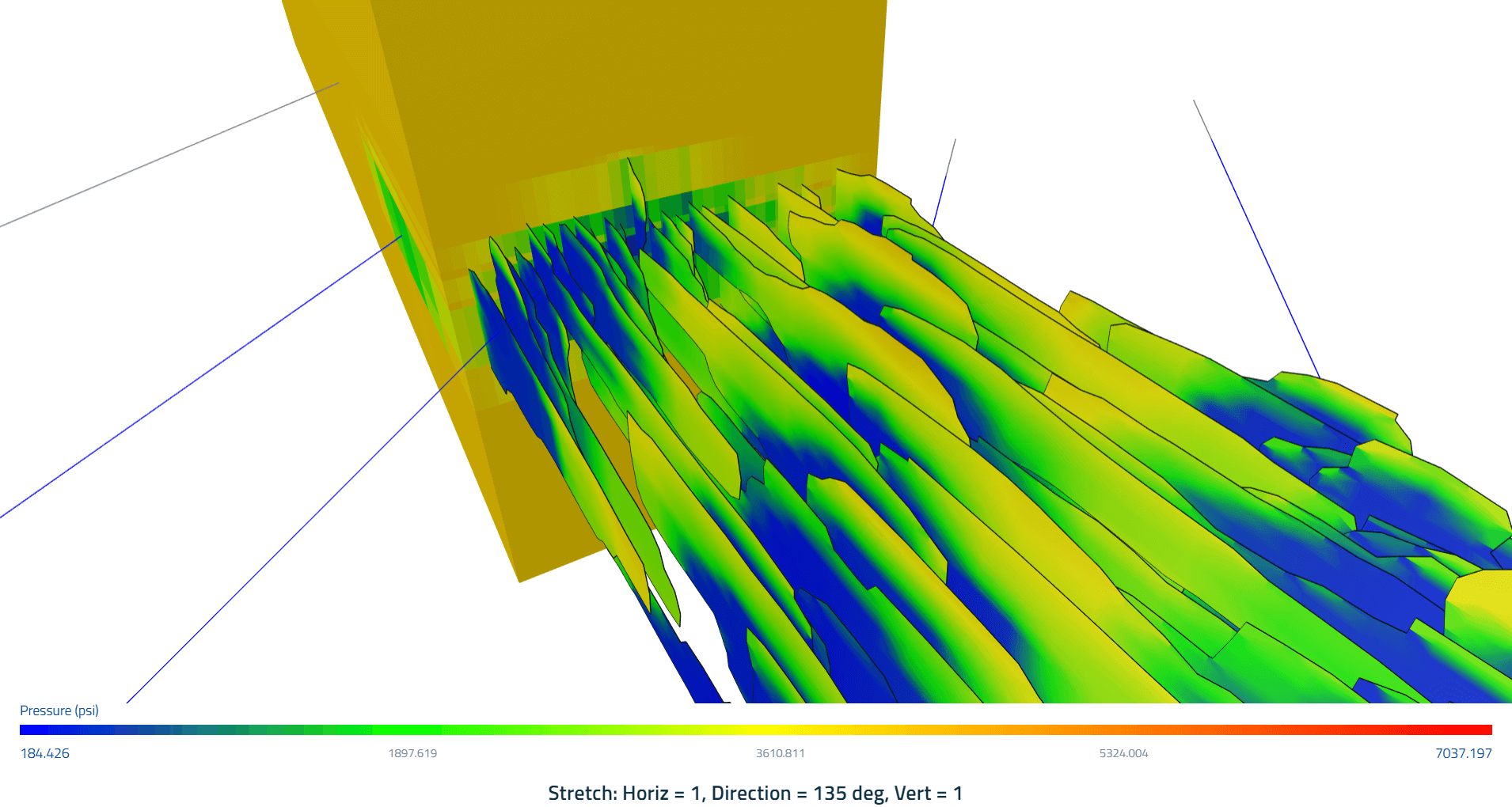
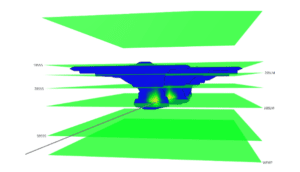
ResFrac simulation of hydraulic fracture geometry along a horizontal well, colored by fluid pressure
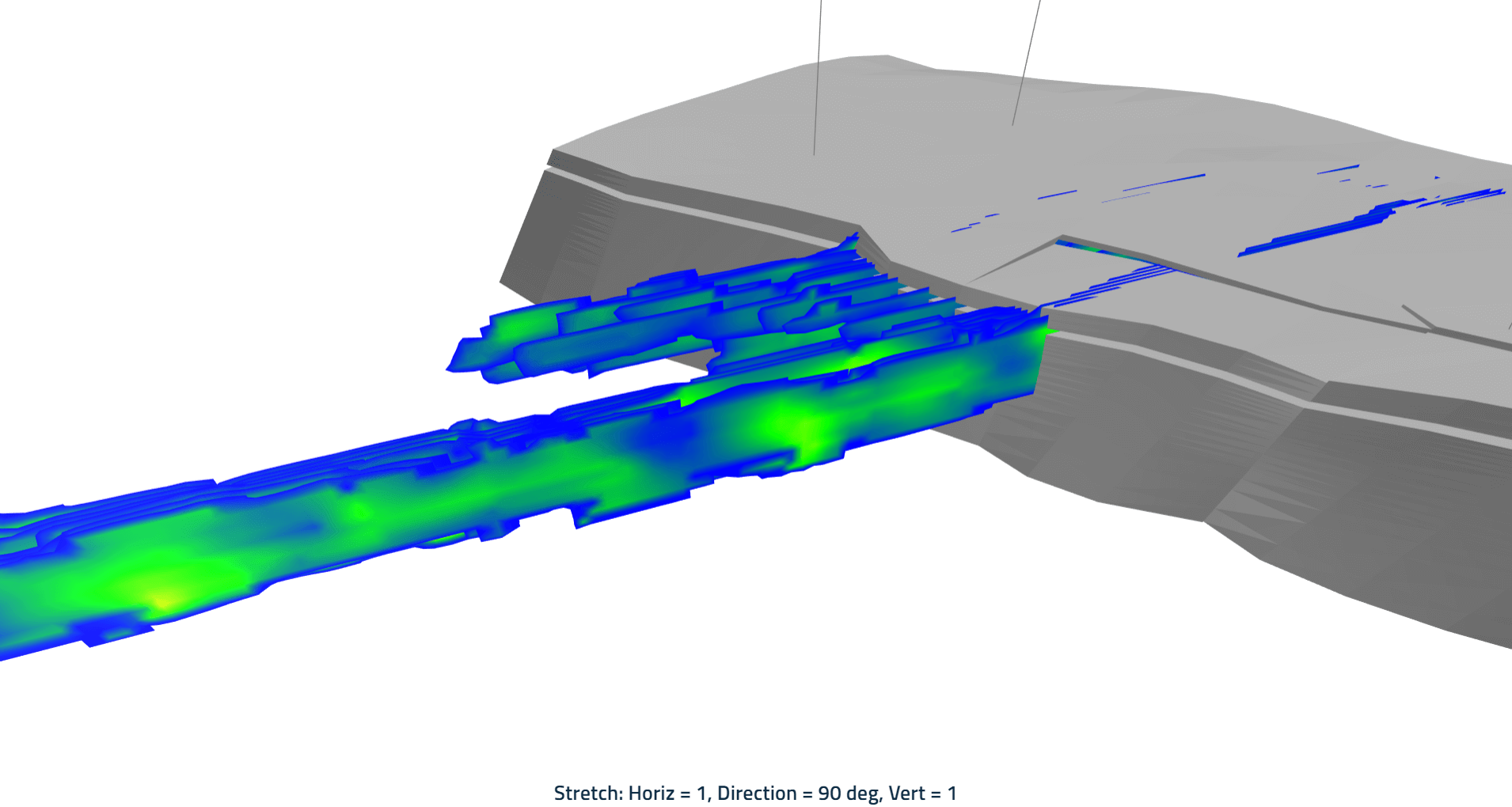
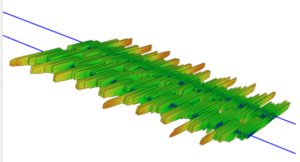
ResFrac simulation of a fracture network propagating through layered formation, colored by pressure
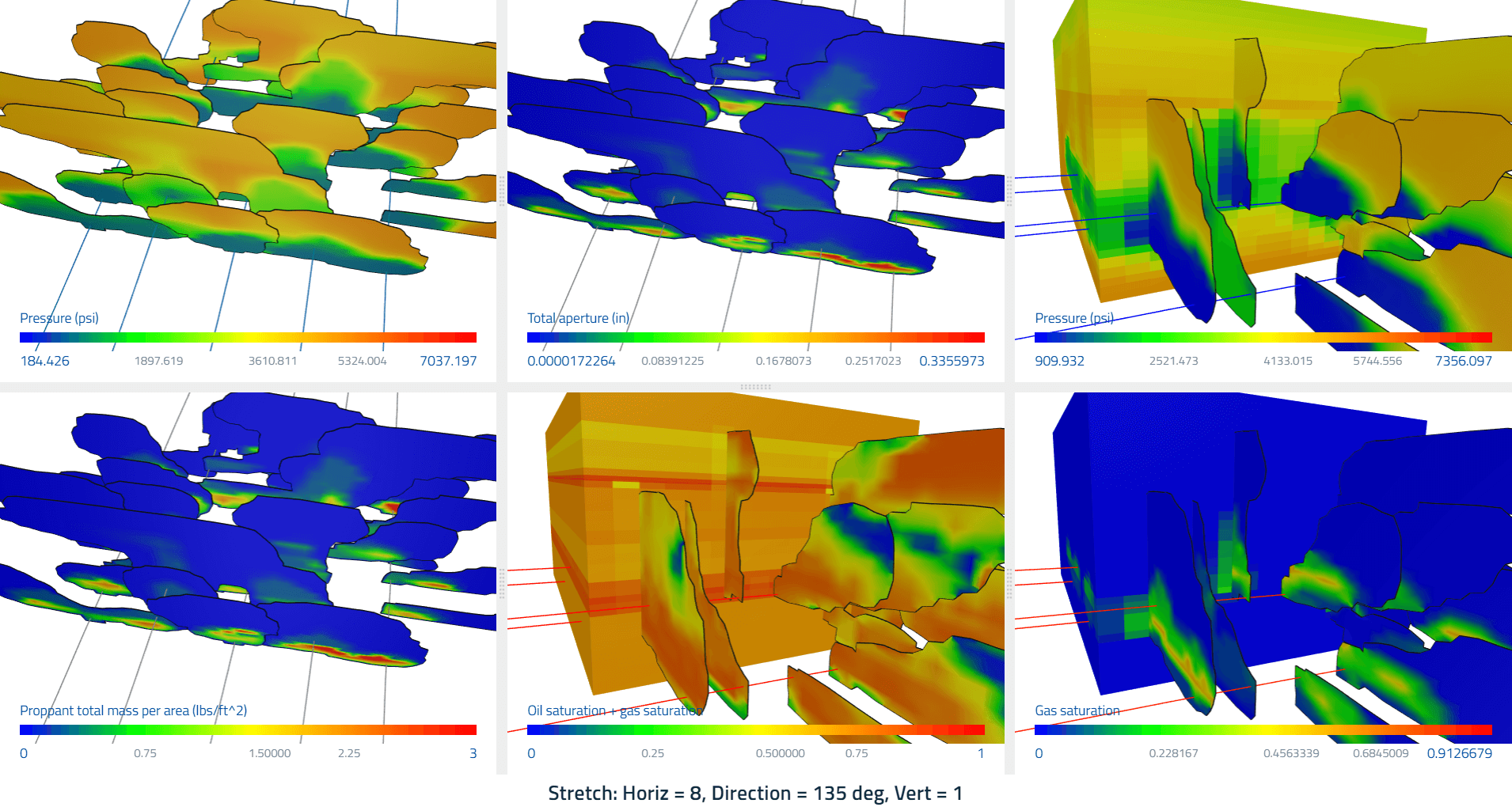
Six-panel ResFrac output comparing pressure, fracture aperture, proppant distribution and fluid saturation across a simulated well
Integrate with your existing workflows

Physics-based simulation is synergistic with data analytics and field data collection. Synthesize field data and accelerate the process of continuous improvement.

Two modes of engagement
We offer direct software licensing, turnkey consulting services, or a mix of both. Solutions fit for any size company - from small independents to supermajors to national oil companies.
Collaboration and experience
We have worked with more than 30 companies in nearly every major shale play in North America and coauthored 15 papers and case studies.
In our collaborative industry studies, we work together with operators to solve the industry’s toughest problems.
In a Utica project, we applied learnings from our DFIT industry study to identify issues with the potential to cause suboptimal well spacing and 30%+ reduction in NPV.
ResFrac is the first and only single-platform for physics-based modelling of reservoir development throughout the entire lifecycle including stimulation, production, frac-hits, artificial lift changes and EOR. This gives our technical staff and company a definite competitive advantage. —Chris Cheatwood, CTO of Pioneer Natural Resources

Engineers and executives both love ResFrac

Engineers and geoscientists

ResFrac’s modeling solution couples hydraulic fracturing and reservoir simulation, enabling you to simulate the full well life cycle in a single continuous simulation. Detailed, transparent technical documentation. Modern UI with built-in help content and wizards. Extensive training and user-support.

Senior leaders

Under pressure to maximize free cash flow? We help your team unlock value by iterating to the best design faster. Under pressure to increase reserves? We help mitigate parent/child problems, design enhanced oil recovery to multiply reserves, and develop cutting edge technologies.

Recent content from the ResFrac blog

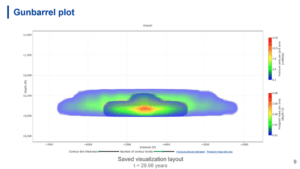
Automatic Report Generation in ResFracPro

This month’s release has a feature that I am particularly excited about – automatic report generation. The reports are generated automatically when a simulation finishes. Also, reports can be generated on-demand for simulations that have already been completed. The reports are highly customizable, allowing the user to generate different line plots, 3D visualizations, preview plots, and tabular data. The user can provide a template PPT, so that the report is made with their preferred PPT style.
Read more

Introducing ResFrac’s New Multisector Capability

This month’s ResFrac release has a ton of new capabilities. The most important is called ‘multisector’ – the ability to split different sections of the well across different computers. This capability provides a computationally efficient and practical way to run larger models and handle complex scenarios. Hats off to Danial Zeinabady and Michael Nole, who have been the main developers on this project. Beyond them, it’s been a big team effort, pulling in folks from cloud, simulator, and user-success. First, let’s review – what is sector modeling? Why do we need a ‘multi’ version of it?

Read more
Abstract illustration with multiple outlined maps over a green-to-yellow gradient and light beams.

The influence of well configuration on water loss in Enhanced Geothermal Systems

Recently, ‘water loss’ has been a hot topic of discussion for EGS. Fervo reported that they have been producing only 70% of the fluid volumes that they have been injecting at their Project Red. The FORGE project reported a roughly 10% water loss rate. Because projects will have finite water rights, these results have led to concern that growth of EGS will be limited by excessive water consumption. This is a valid concern, and water availability is a legitimate factor in site-selection and project engineering. However, I believe that the problem has been overstated.

Read more

Capital discipline enabled by industry leading technology

Search